Frank's Chop House
Frank's Chop House, located on Forty-eighth Street near Sixth Avenue in New York City, is the setting for the climactic family dinner that capsizes Willy Loman's last hopes. Linda Loman tells Willy about the dinner invitation the morning of the day he is fired, reporting that Biff came to her and said, "Tell Dad, we want to blow him to a big meal." Willy, buoyed by the prospect, promises to meet his sons there at six o'clock, and Linda later reminds him of the address as he leaves for his appointment with Howard Wagner. The restaurant thus becomes the stage on which the Lomans' fragile reconciliation is supposed to take place.
The Dinner That Never Happens
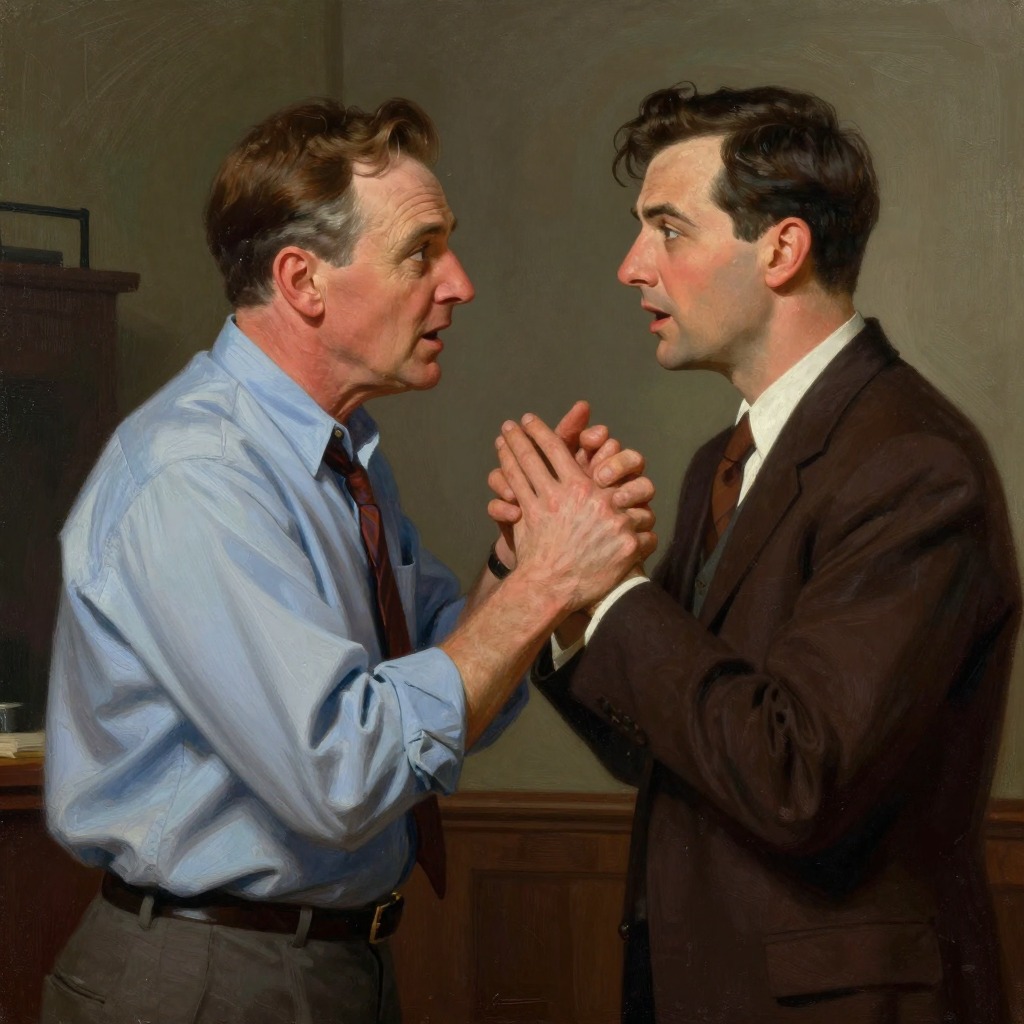
When Willy arrives at Frank's Chop House, he finds Happy and Biff already seated with two women, Miss Forsythe and Letta, whom Happy has picked up. Biff, who has just endured a humiliating six-hour wait for Bill Oliver and then stolen Oliver's fountain pen, is desperate to tell his father the truth. Willy, however, has just been fired and is equally desperate for good news. The conversation quickly deteriorates: Biff tries to confess that he was never a salesman for Oliver but only a shipping clerk, while Willy refuses to listen, insisting that Oliver must have welcomed Biff warmly. The tension escalates until Willy strikes Biff, and the two women look on in bewilderment. In the chaos, Biff and Happy abandon Willy at the table, leaving him alone with the waiter Stanley.
Abandonment and Humiliation
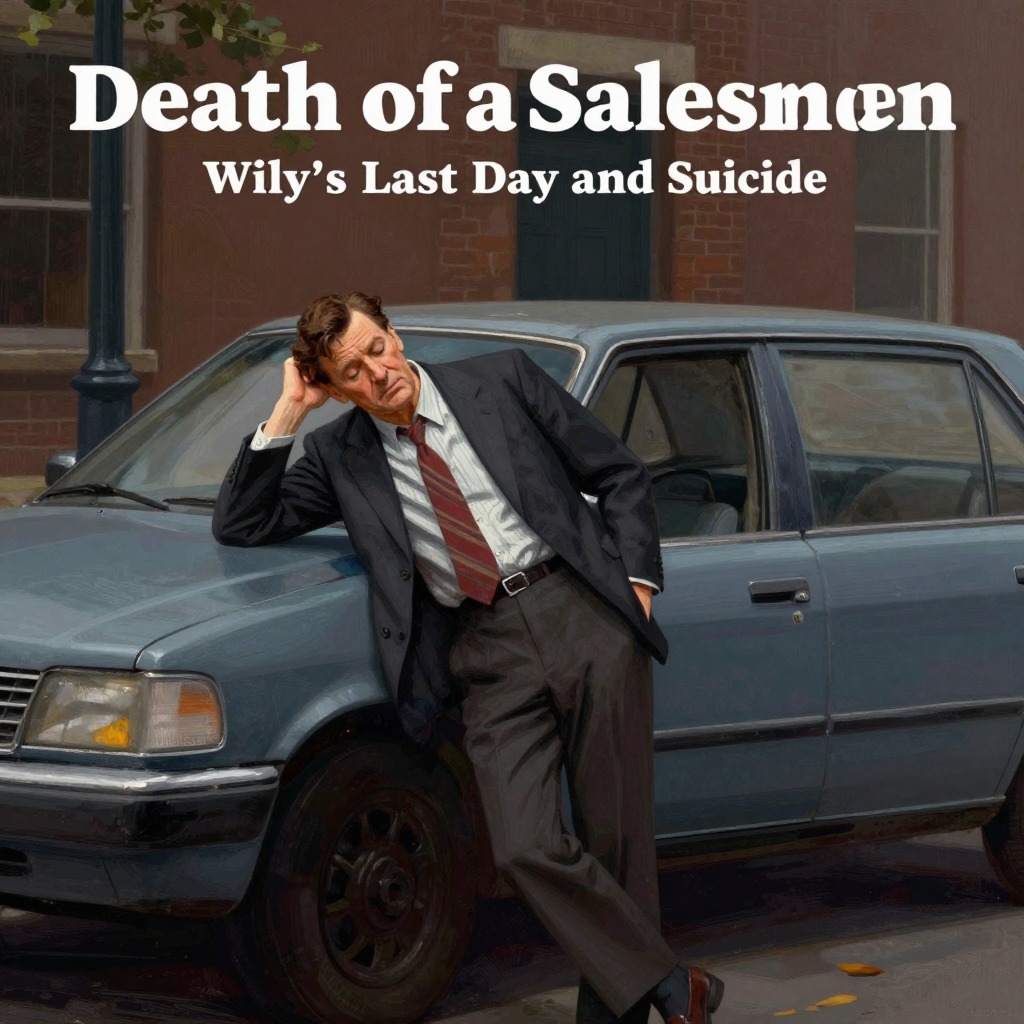
After his sons leave with the women, Willy is found by Stanley, who tells him, "Your boys left with the chippies. They said they'll see you home." Willy, disoriented and still clutching the hope of a family triumph, asks Stanley if he looks all right and then inquires about a seed store, revealing his retreat into the fantasy of planting a garden. The waiter slips the dollar Willy offers back into his pocket, a small gesture of kindness that underscores the depth of Willy's isolation. When Willy returns home, Linda confronts Biff and Happy with the cruelty of their desertion, saying, "He was so humiliated he nearly limped when he came in." The dinner at Frank's Chop House thus becomes the final rupture in the Loman family, a public humiliation that drives Willy toward his ultimate decision to kill himself for the insurance money.
Narrative Significance
Frank's Chop House functions as a spatial and emotional counterpoint to the Loman home. Where the house is a site of memory and private struggle, the restaurant is a public arena where the family's dysfunction is exposed to strangers. The dinner scene is the only moment in the play when all three Loman men are together outside the home, and it ends not with the promised celebration but with physical violence and abandonment. The restaurant's name—"Chop House"—carries an ironic echo of the violence that occurs there, as Willy figuratively and literally strikes out at his son. The location thus crystallizes the play's central tragedy: the failure of the Loman men to sustain the bonds of love and loyalty that might have saved them.